Best Seasons for Furniture Refinishings
Furniture refinishings are best scheduled during periods of stable indoor conditions to ensure optimal results. Typically, late spring and early fall offer ideal temperatures and humidity levels that facilitate proper drying and curing of finishes. Avoiding extreme weather conditions helps prevent issues such as warping, cracking, or uneven finishes.
Spring and fall provide moderate temperatures and humidity, making them suitable for furniture refinishing projects.
Avoid refinishings during high humidity or extreme cold, as these conditions can affect drying times and finish quality.
Scheduling during seasons with predictable indoor climate conditions helps achieve a smooth, durable finish.
Refinishing projects typically take several days; planning around favorable weather minimizes delays.
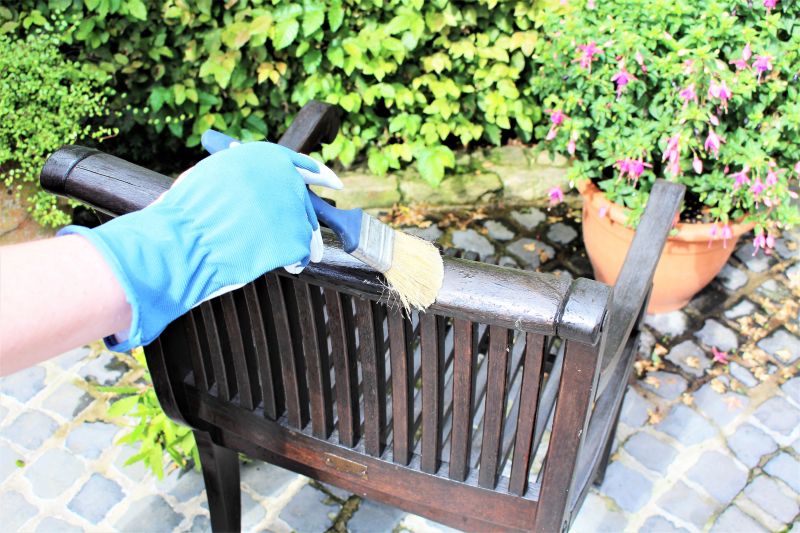
Image depicting furniture being refinished outdoors in spring.
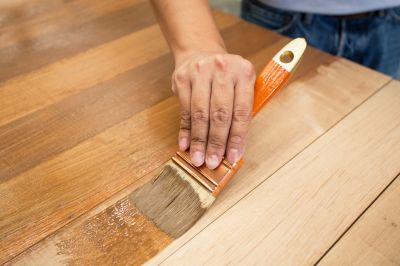
Image showing a controlled indoor environment suitable for refinishing during colder months.
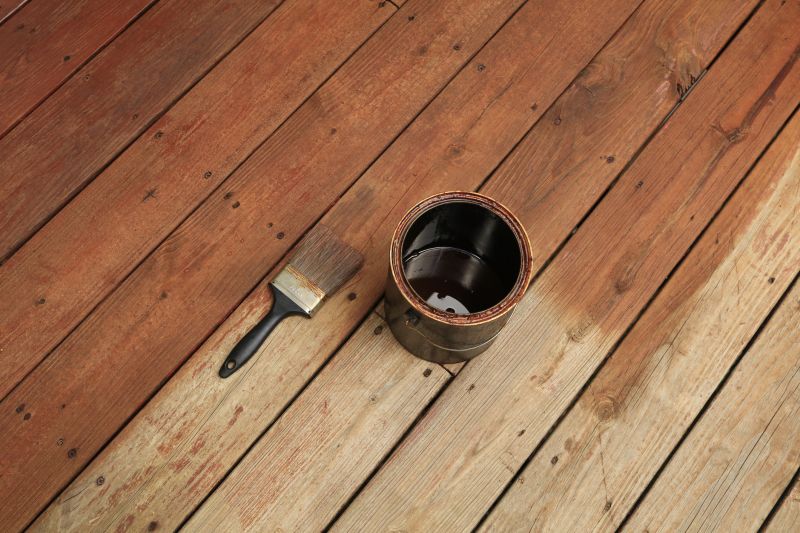
Image of furniture being restored in a fall setting.
Ways to make Furniture Refinishings work in tight or awkward layouts.
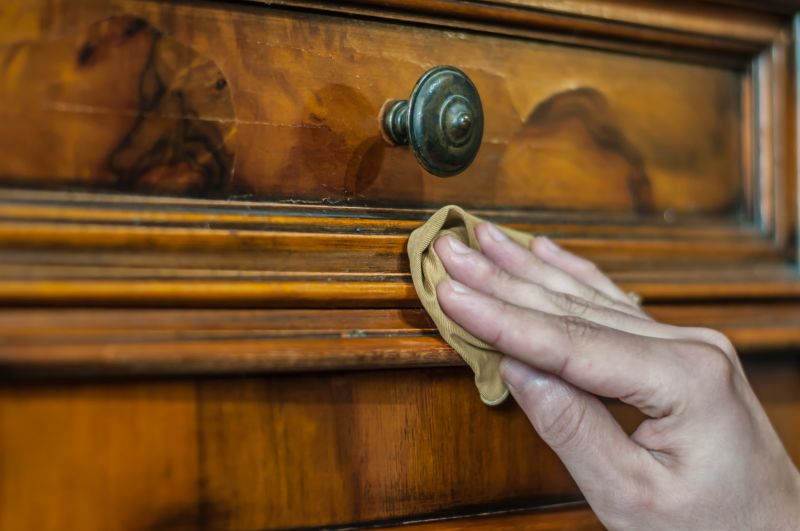
Popular materials for Furniture Refinishings and why they hold up over time.
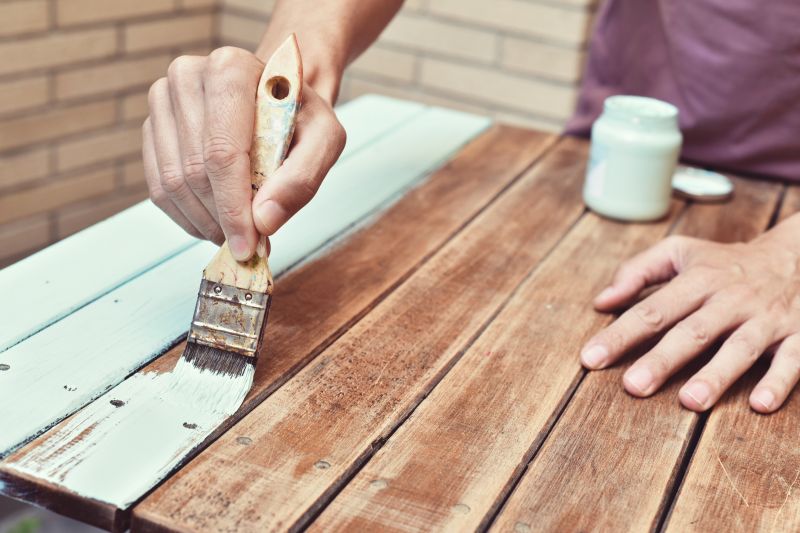
Simple add-ons that improve Furniture Refinishings without blowing the budget.
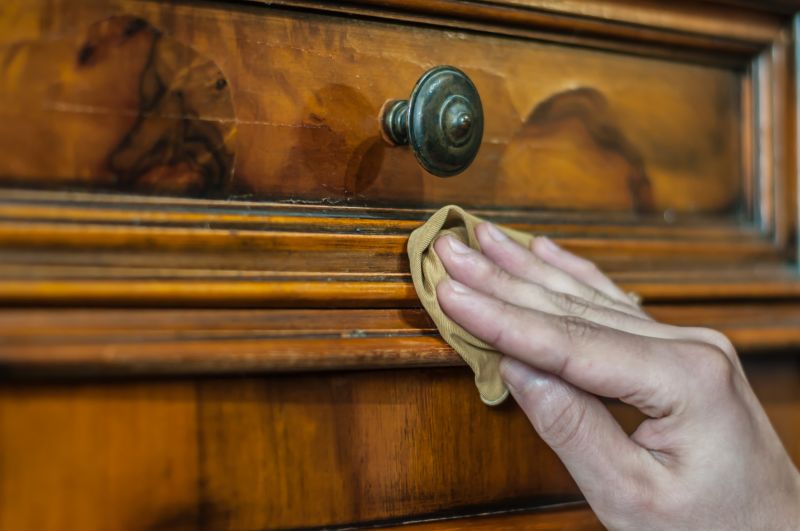
High-end options that actually feel worth it for Furniture Refinishings.
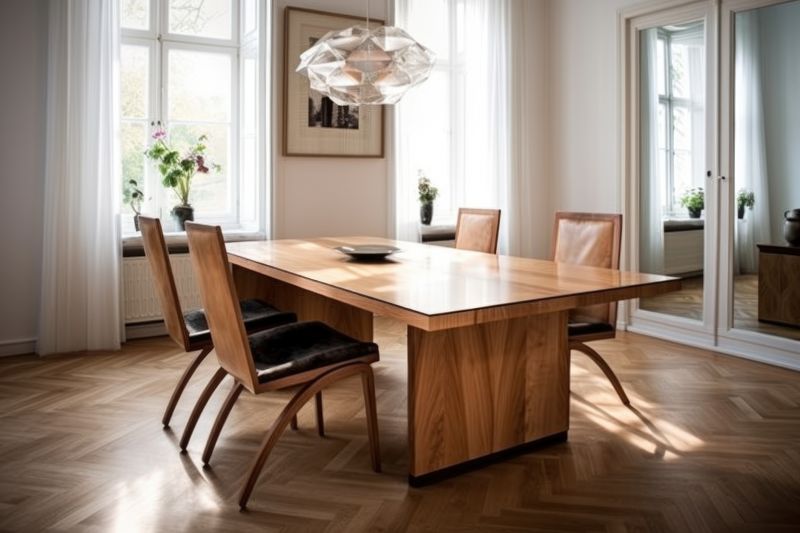
Finishes and colors that play nicely with Furniture Refinishings.
| Season | Advantages |
|---|---|
| Spring | Moderate temperatures and low humidity support optimal drying. |
| Summer | Longer daylight hours facilitate project completion, but high humidity can be a concern. |
| Fall | Ideal weather conditions for outdoor projects with cooler temperatures. |
| Winter | Indoor refinishing is preferable due to cold and humidity outside. |
| Late Summer | High temperatures may cause finishes to cure too quickly, risking imperfections. |
Furniture refinishings involve restoring and renewing wood surfaces through sanding, staining, and applying protective finishes. This process can significantly extend the lifespan of furniture pieces and enhance their aesthetic appeal. Proper timing ensures that finishes cure properly, reducing the risk of peeling or cracking. Statistics indicate that furniture refinishing can add years to the usability of valuable pieces, with professional refinishing increasing furniture lifespan by up to 50% when performed correctly.
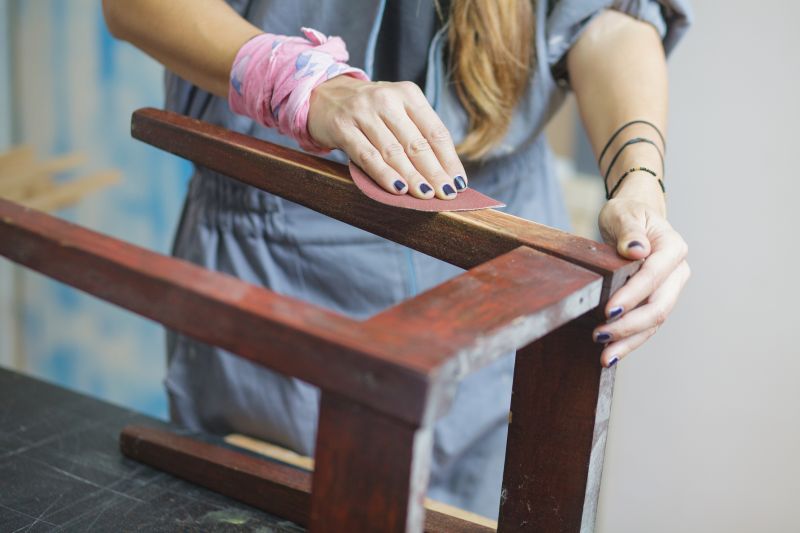
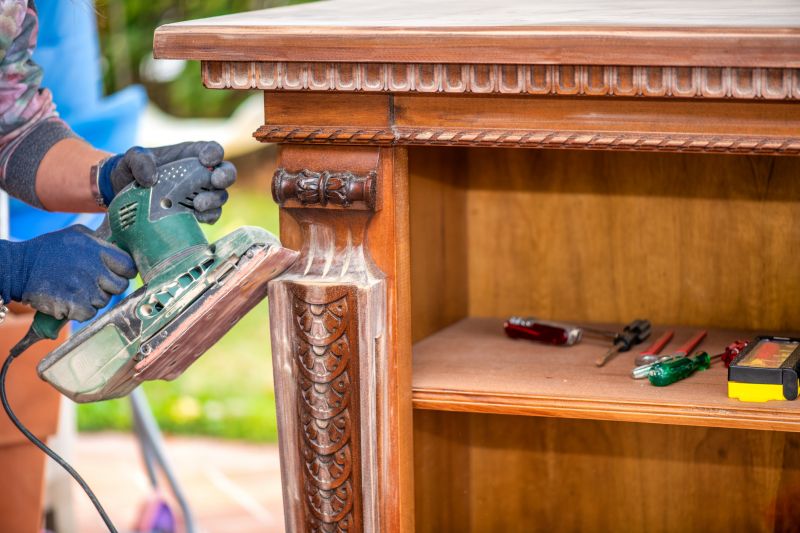
Image showing sanding and preparation of furniture surfaces.
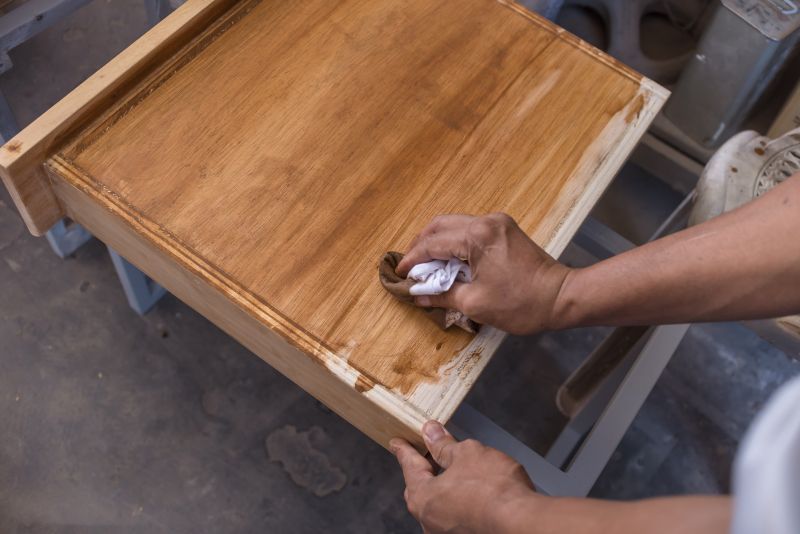
Image of staining or sealing furniture with protective coatings.
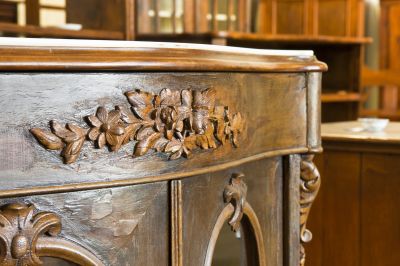
Image showcasing a finished, polished piece.
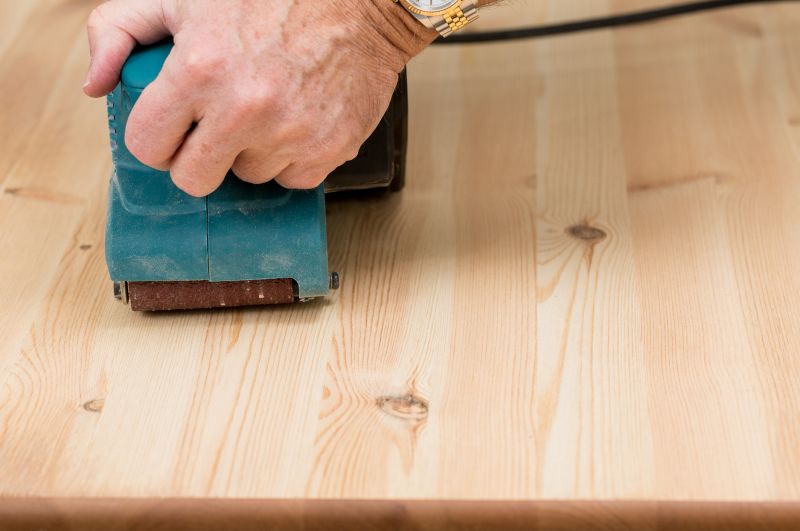
Image displaying brushes, sanders, and finishing supplies.
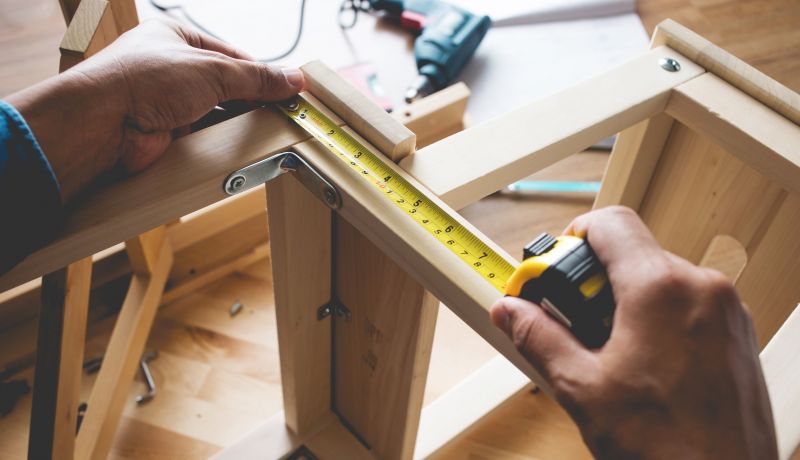
Little measurements that prevent headaches on Furniture Refinishings day.
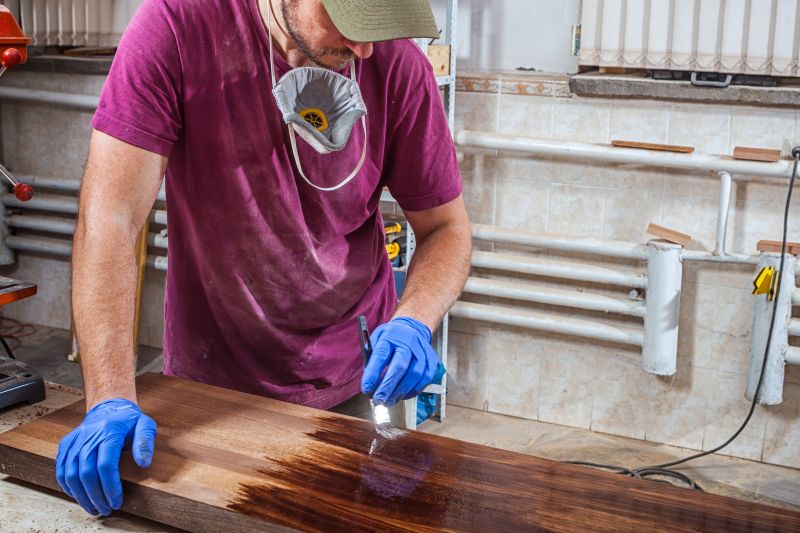
A 60-second routine that keeps Furniture Refinishings looking new.
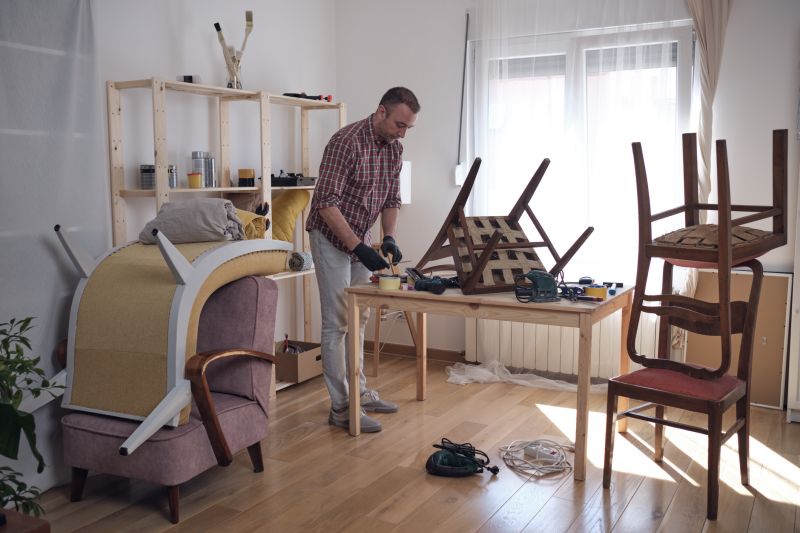
A frequent mistake in Furniture Refinishings and how to dodge it.
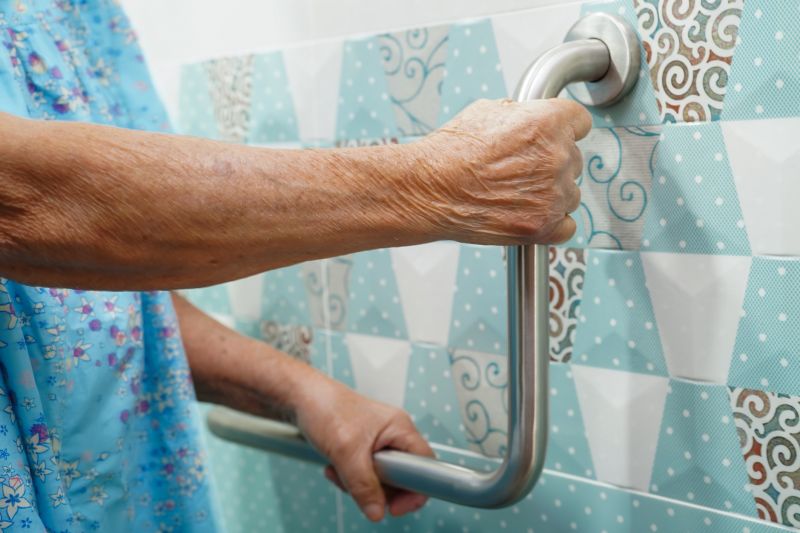
Small tweaks to make Furniture Refinishings safer and easier to use.
Choosing the right time for furniture refinishing can influence the durability and appearance of the final result. Proper planning around seasonal conditions helps prevent common issues like finish imperfections and prolongs the lifespan of the restored furniture. Regular refinishing is a cost-effective way to maintain furniture integrity and aesthetic appeal over time.